Deck Boards Splitting or Popping Nails After Indiana Winters? What's Going On
Why Regional Conditions in Evansville Shape These Decisions
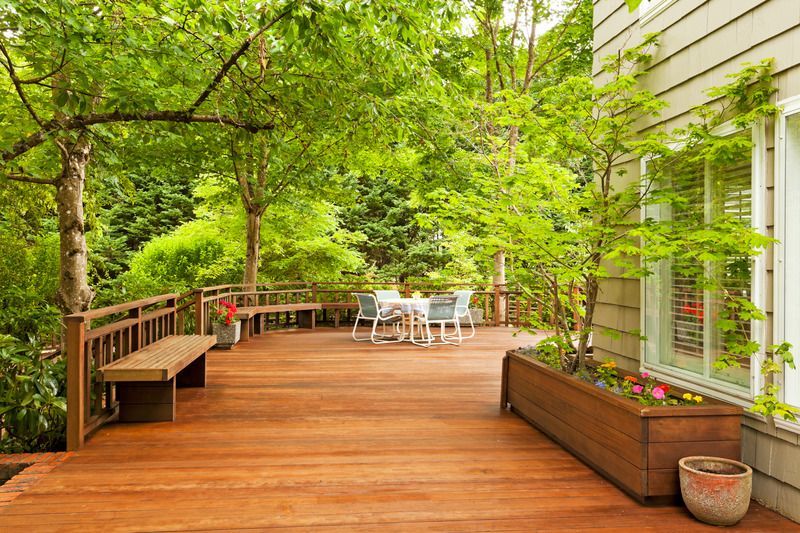
Bench Framing and Load Distribution
A built-in bench carries repeated concentrated load, meaning the same spots take weight every time someone sits down. A properly framed bench integrates its support posts directly into the deck's rim joist or blocking system rather than relying on the decking surface for structural transfer. In most residential applications, bench supports are notched and bolted through doubled rim joists using structural lag screws at a minimum of 3 inches of penetration into solid framing members.
Skipping this integration and fastening bench supports only to decking boards creates a lever effect. The boards flex under load, the fasteners work loose over two to three seasons, and the bench develops lateral movement that tightens every time someone stands up awkwardly and loosens again under normal sitting weight. By year five, the connection is compromised and the bench reads as unsafe even if it has not yet failed.
WARNING: If you notice discoloration or soft spots in the decking boards directly beneath a built-in bench, particularly near the ledger end of the deck, do not treat this as surface weathering. Soft spots under a bench shadow zone indicate moisture retention and potential frame decay that requires immediate inspection of the framing members below the surface.
Built-in planter boxes introduce a moisture management problem that most people do not anticipate. Soil holds water, and water held against a wood framing member without a proper drainage plane will begin to degrade the structural material within two growing seasons.
A correctly built deck planter uses a liner system that separates the soil from the wood entirely. HDPE liners or sheet metal pans are sloped to a drain point, and the drain is directed away from the deck frame through a dedicated weep port. The framing surrounding the planter is built from pressure-treated lumber rated for ground contact, typically UC4A or UC4B depending on soil moisture exposure, even if the rest of the deck uses a lighter treatment rating. Without this distinction in material specification, the planter box becomes the fastest-degrading element on the entire structure.
Planter Box Drainage and Moisture Management
Quick Answer: Deck boards split, crack, and pop nails after Indiana winters mainly because of moisture and freeze-thaw. Wood absorbs water, then freeze-thaw cycles make it swell and shrink and the trapped water expand, which splits and cracks the boards and works fasteners loose (popped nails). Nails in particular loosen with this seasonal movement, which is why many pros prefer screws. It's worse on older, unsealed, or already-weathered decks. The fixes are addressing the loosened fasteners and damaged boards and protecting the wood (sealing/finishing) so moisture and freeze-thaw do less damage going forward.
Every spring, a lot of Indiana homeowners walk out onto the deck and find it looking rougher than it did in the fall, boards that have split or cracked, nail heads popping up above the surface, a deck that feels like it aged over one winter. It's a common and frustrating sight, and it makes you wonder what the winter did and whether the deck is failing.
The short answer is moisture and freeze-thaw, the same forces that are hard on so much of what sits outside through an Indiana winter. Wood decks absorb water, and the freeze-thaw cycles of winter make that water and the wood expand and contract, which splits boards and works nails loose. It's normal for winter to do this to a deck, especially an older or unprotected one, and understanding why points to how to fix it and reduce it going forward. Here's what's going on with your splitting boards and popping nails.
Why Regional Conditions in Evansville Shape These Decisions
Bench Framing and Load Distribution
A built-in bench carries repeated concentrated load, meaning the same spots take weight every time someone sits down. A properly framed bench integrates its support posts directly into the deck's rim joist or blocking system rather than relying on the decking surface for structural transfer. In most residential applications, bench supports are notched and bolted through doubled rim joists using structural lag screws at a minimum of 3 inches of penetration into solid framing members.
Skipping this integration and fastening bench supports only to decking boards creates a lever effect. The boards flex under load, the fasteners work loose over two to three seasons, and the bench develops lateral movement that tightens every time someone stands up awkwardly and loosens again under normal sitting weight. By year five, the connection is compromised and the bench reads as unsafe even if it has not yet failed.
WARNING: If you notice discoloration or soft spots in the decking boards directly beneath a built-in bench, particularly near the ledger end of the deck, do not treat this as surface weathering. Soft spots under a bench shadow zone indicate moisture retention and potential frame decay that requires immediate inspection of the framing members below the surface.
Built-in planter boxes introduce a moisture management problem that most people do not anticipate. Soil holds water, and water held against a wood framing member without a proper drainage plane will begin to degrade the structural material within two growing seasons.
A correctly built deck planter uses a liner system that separates the soil from the wood entirely. HDPE liners or sheet metal pans are sloped to a drain point, and the drain is directed away from the deck frame through a dedicated weep port. The framing surrounding the planter is built from pressure-treated lumber rated for ground contact, typically UC4A or UC4B depending on soil moisture exposure, even if the rest of the deck uses a lighter treatment rating. Without this distinction in material specification, the planter box becomes the fastest-degrading element on the entire structure.
Planter Box Drainage and Moisture Management
Why Winter Is Hard on a Wood Deck
To understand the damage, start with the fact that a deck is wood exposed to the weather, and wood plus moisture plus freezing is a recipe for movement and stress.
Wood is porous and absorbs moisture, rain, snow, ice, and dampness all soak into deck boards. Then winter brings freeze-thaw cycles: temperatures drop below freezing and rise above it, over and over. When the water that's soaked into the wood freezes, it expands (water expands as it freezes), putting pressure inside the board. When it thaws, it contracts. On top of that, the wood itself swells when wet and shrinks as it dries. So through winter, deck boards are constantly expanding and contracting, and the absorbed water inside them is freezing and expanding and thawing, repeatedly.
That repeated movement and internal pressure is what stresses the wood and the fasteners. It's the same freeze-thaw force that cracks pavement and heaves soil, working on your deck boards. This is why winter, specifically, is when decks take a beating: it's not just cold, it's the moisture-plus-freeze-thaw combination acting on porous wood. Understanding that the boards are being pushed and pulled by water freezing and the wood moving explains both the splitting and the popped nails. It's the wood responding to a harsh, wet, freezing-and-thawing environment.
Why Regional Conditions in Evansville Shape These Decisions
Bench Framing and Load Distribution
A built-in bench carries repeated concentrated load, meaning the same spots take weight every time someone sits down. A properly framed bench integrates its support posts directly into the deck's rim joist or blocking system rather than relying on the decking surface for structural transfer. In most residential applications, bench supports are notched and bolted through doubled rim joists using structural lag screws at a minimum of 3 inches of penetration into solid framing members.
Skipping this integration and fastening bench supports only to decking boards creates a lever effect. The boards flex under load, the fasteners work loose over two to three seasons, and the bench develops lateral movement that tightens every time someone stands up awkwardly and loosens again under normal sitting weight. By year five, the connection is compromised and the bench reads as unsafe even if it has not yet failed.
WARNING: If you notice discoloration or soft spots in the decking boards directly beneath a built-in bench, particularly near the ledger end of the deck, do not treat this as surface weathering. Soft spots under a bench shadow zone indicate moisture retention and potential frame decay that requires immediate inspection of the framing members below the surface.
Built-in planter boxes introduce a moisture management problem that most people do not anticipate. Soil holds water, and water held against a wood framing member without a proper drainage plane will begin to degrade the structural material within two growing seasons.
A correctly built deck planter uses a liner system that separates the soil from the wood entirely. HDPE liners or sheet metal pans are sloped to a drain point, and the drain is directed away from the deck frame through a dedicated weep port. The framing surrounding the planter is built from pressure-treated lumber rated for ground contact, typically UC4A or UC4B depending on soil moisture exposure, even if the rest of the deck uses a lighter treatment rating. Without this distinction in material specification, the planter box becomes the fastest-degrading element on the entire structure.
Planter Box Drainage and Moisture Management
Why Boards Split and Nails Pop
With the freeze-thaw movement in mind, the two specific symptoms, splitting boards and popping nails, make sense as direct results.
Splitting and cracking boards. As water soaks into the wood and then freezes and expands, and as the wood itself swells and shrinks with moisture, the internal stress cracks and splits the boards. Freeze-thaw is especially good at this, water gets into small checks and cracks, freezes, expands, and enlarges them, so cracks grow and boards split over the winter. Older, drier, or unsealed boards are more prone, they've weathered and are more brittle and absorbent.
Popping nails. The same seasonal expansion and contraction works fasteners loose. As boards swell, shrink, and move with the moisture and freeze-thaw cycles, they push against and loosen the nails holding them, so nail heads back out and "pop" up above the surface. This is a classic result of wood movement, and it's why nails, which rely on friction to hold, tend to loosen over seasons of this movement. (It's also why screws, which grip better, are often preferred, more on that below.)
So both symptoms trace to the same root: moisture and freeze-thaw making the wood move and its absorbed water expand. Splitting is the wood itself being cracked apart by the stress; popped nails are the fasteners being worked loose by the movement. Seeing them as two results of one cause, seasonal moisture and freeze-thaw acting on the wood, is what points to fixing them properly and reducing the damage in future winters.
Tip: When you assess winter deck damage, look at both the boards and the fasteners, and note the deck's overall condition. Popped nails can often be addressed (and are a good moment to consider switching to screws, which hold better against seasonal movement); split or badly cracked boards may need repair or replacement. Also check whether the deck is sealed/finished or bare and weathered, an unprotected deck absorbs more moisture and suffers more freeze-thaw damage, so how well it's protected tells you a lot about why it's deteriorating and what will help.
Why Regional Conditions in Evansville Shape These Decisions
Bench Framing and Load Distribution
A built-in bench carries repeated concentrated load, meaning the same spots take weight every time someone sits down. A properly framed bench integrates its support posts directly into the deck's rim joist or blocking system rather than relying on the decking surface for structural transfer. In most residential applications, bench supports are notched and bolted through doubled rim joists using structural lag screws at a minimum of 3 inches of penetration into solid framing members.
Skipping this integration and fastening bench supports only to decking boards creates a lever effect. The boards flex under load, the fasteners work loose over two to three seasons, and the bench develops lateral movement that tightens every time someone stands up awkwardly and loosens again under normal sitting weight. By year five, the connection is compromised and the bench reads as unsafe even if it has not yet failed.
WARNING: If you notice discoloration or soft spots in the decking boards directly beneath a built-in bench, particularly near the ledger end of the deck, do not treat this as surface weathering. Soft spots under a bench shadow zone indicate moisture retention and potential frame decay that requires immediate inspection of the framing members below the surface.
Built-in planter boxes introduce a moisture management problem that most people do not anticipate. Soil holds water, and water held against a wood framing member without a proper drainage plane will begin to degrade the structural material within two growing seasons.
A correctly built deck planter uses a liner system that separates the soil from the wood entirely. HDPE liners or sheet metal pans are sloped to a drain point, and the drain is directed away from the deck frame through a dedicated weep port. The framing surrounding the planter is built from pressure-treated lumber rated for ground contact, typically UC4A or UC4B depending on soil moisture exposure, even if the rest of the deck uses a lighter treatment rating. Without this distinction in material specification, the planter box becomes the fastest-degrading element on the entire structure.
Planter Box Drainage and Moisture Management
How to Fix It, and Reduce It Going Forward
Because the damage comes from moisture and freeze-thaw acting on the wood and fasteners, fixing a winter-worn deck means addressing the damage done and protecting the wood so future winters do less.
Address the loosened fasteners
Popped nails should be dealt with, and this is a natural point to consider replacing nails with screws, which grip the wood far better and resist backing out with seasonal movement. Re-securing the boards properly restores a solid, safe deck surface.
Repair or replace damaged boards
Boards that have split or cracked significantly may need repair or replacement. Badly damaged boards are both a look and a safety issue (splinters, weak spots), so addressing them matters.
Protect the wood, sealing and finishing
This is the big one for reducing future damage. A properly sealed or finished deck resists absorbing moisture, and less absorbed water means less freeze-thaw damage, splitting, and fastener movement. Keeping the deck protected with appropriate sealing/staining is one of the most effective ways to slow winter deterioration. A bare, unprotected deck soaks up water and suffers the most.
Keep up with maintenance
Regular upkeep, cleaning, re-sealing as needed, addressing small issues before winter, keeps a deck sound and reduces how much each winter takes out of it. Catching and fixing small cracks and loose fasteners early prevents bigger deterioration.
Consider condition and materials
For an old, heavily deteriorated deck, more extensive repair or rebuilding may make sense, and material choices (and proper fasteners) affect how well a deck resists this kind of damage going forward.
The theme is that you fix the damage the winter caused (fasteners and boards) and then protect the wood so moisture and freeze-thaw do less next time. A deck that's kept sealed, maintained, and properly fastened weathers Indiana winters far better than one left bare and neglected. Because assessing the extent of damage and doing repairs or rebuilding right takes some know-how, it's worth having a deck professional evaluate a significantly damaged deck and advise on repair versus rebuild and on protecting it going forward.
Warning: Don't ignore popped nails and split boards on a deck, beyond looking bad, they're a safety issue: popped nail heads and cracked or weakened boards can cause trips, splinters, and, if deterioration is advanced, structural weakness underfoot. And don't just hammer popped nails back down and forget it; they'll likely work loose again with the next winter's movement (switching to screws and protecting the wood addresses the real cause). For a deck with significant splitting, widespread loose fasteners, or any soft or structurally questionable spots, have it assessed by a professional rather than assuming it's still safe.
Why Regional Conditions in Evansville Shape These Decisions
Bench Framing and Load Distribution
A built-in bench carries repeated concentrated load, meaning the same spots take weight every time someone sits down. A properly framed bench integrates its support posts directly into the deck's rim joist or blocking system rather than relying on the decking surface for structural transfer. In most residential applications, bench supports are notched and bolted through doubled rim joists using structural lag screws at a minimum of 3 inches of penetration into solid framing members.
Skipping this integration and fastening bench supports only to decking boards creates a lever effect. The boards flex under load, the fasteners work loose over two to three seasons, and the bench develops lateral movement that tightens every time someone stands up awkwardly and loosens again under normal sitting weight. By year five, the connection is compromised and the bench reads as unsafe even if it has not yet failed.
WARNING: If you notice discoloration or soft spots in the decking boards directly beneath a built-in bench, particularly near the ledger end of the deck, do not treat this as surface weathering. Soft spots under a bench shadow zone indicate moisture retention and potential frame decay that requires immediate inspection of the framing members below the surface.
Built-in planter boxes introduce a moisture management problem that most people do not anticipate. Soil holds water, and water held against a wood framing member without a proper drainage plane will begin to degrade the structural material within two growing seasons.
A correctly built deck planter uses a liner system that separates the soil from the wood entirely. HDPE liners or sheet metal pans are sloped to a drain point, and the drain is directed away from the deck frame through a dedicated weep port. The framing surrounding the planter is built from pressure-treated lumber rated for ground contact, typically UC4A or UC4B depending on soil moisture exposure, even if the rest of the deck uses a lighter treatment rating. Without this distinction in material specification, the planter box becomes the fastest-degrading element on the entire structure.
Planter Box Drainage and Moisture Management
Frequently Asked Questions
Why are my deck boards splitting after winter?
Because of moisture and freeze-thaw. Wood absorbs water, and winter's repeated freezing and thawing makes that water expand (as it freezes) and the wood swell and shrink, creating internal stress that cracks and splits the boards. Freeze-thaw especially enlarges existing small cracks. Older, drier, or unsealed boards are more prone since they're more brittle and absorbent. It's the wood responding to a wet, freezing-and-thawing winter.
Why do the nails pop up out of my deck?
Because seasonal wood movement works them loose. As the boards absorb moisture and go through freeze-thaw cycles, they swell, shrink, and move, pushing against the nails and loosening them, so the heads back out and pop up. Nails rely on friction to hold, so they're prone to loosening over seasons of this movement, which is a big reason screws (which grip better) are often preferred.
Is this normal, or is my deck failing?
It's normal for Indiana winters to do this to a wood deck, especially an older or unprotected one, moisture and freeze-thaw are hard on exposed wood. Some splitting and popped nails after winter is common weathering, not necessarily failure. Even so, significant splitting, widespread loose fasteners, or soft or structurally questionable spots warrant a closer look, since those can be safety concerns. Normal weathering is expected; advanced deterioration should be assessed.
Should I switch from nails to screws?
It's often a good idea. Screws grip the wood far better than nails and resist backing out with the seasonal expansion and contraction that pops nails loose. When you're already addressing popped nails, it's a natural point to consider replacing them with screws for a more secure, longer-lasting hold. It's one of the practical ways to reduce the recurring popped-fastener problem.
How do I keep winter from wrecking my deck?
Protect the wood: a properly sealed or finished deck absorbs far less moisture, and less absorbed water means less freeze-thaw damage, splitting, and fastener movement. Keeping the deck sealed/stained, cleaning it, re-sealing as needed, and addressing small cracks and loose fasteners before winter all reduce how much each winter takes out of it. A bare, unprotected deck suffers the most, so protection and maintenance are key.
Can I just hammer the popped nails back down?
You can, but they'll likely work loose again with the next winter's movement, since that only addresses the symptom, not the moisture-and-freeze-thaw cause. A more lasting approach is to re-secure boards with screws (which hold better) and protect the wood by sealing it so it moves less. For popped nails plus splitting or any structural concern, it's worth a proper repair rather than a quick hammer-down.
When should I call a professional?
When the deck has significant splitting, widespread loose fasteners, soft or spongy spots, or any signs of structural weakness, or when you're unsure whether to repair or rebuild. A deck professional can assess the extent of the damage, handle repairs or replacement properly, advise on repair-versus-rebuild for an older deck, and help protect it going forward, ensuring the deck is both sound and safe rather than just patched cosmetically.
Why Regional Conditions in Evansville Shape These Decisions
Bench Framing and Load Distribution
A built-in bench carries repeated concentrated load, meaning the same spots take weight every time someone sits down. A properly framed bench integrates its support posts directly into the deck's rim joist or blocking system rather than relying on the decking surface for structural transfer. In most residential applications, bench supports are notched and bolted through doubled rim joists using structural lag screws at a minimum of 3 inches of penetration into solid framing members.
Skipping this integration and fastening bench supports only to decking boards creates a lever effect. The boards flex under load, the fasteners work loose over two to three seasons, and the bench develops lateral movement that tightens every time someone stands up awkwardly and loosens again under normal sitting weight. By year five, the connection is compromised and the bench reads as unsafe even if it has not yet failed.
WARNING: If you notice discoloration or soft spots in the decking boards directly beneath a built-in bench, particularly near the ledger end of the deck, do not treat this as surface weathering. Soft spots under a bench shadow zone indicate moisture retention and potential frame decay that requires immediate inspection of the framing members below the surface.
Built-in planter boxes introduce a moisture management problem that most people do not anticipate. Soil holds water, and water held against a wood framing member without a proper drainage plane will begin to degrade the structural material within two growing seasons.
A correctly built deck planter uses a liner system that separates the soil from the wood entirely. HDPE liners or sheet metal pans are sloped to a drain point, and the drain is directed away from the deck frame through a dedicated weep port. The framing surrounding the planter is built from pressure-treated lumber rated for ground contact, typically UC4A or UC4B depending on soil moisture exposure, even if the rest of the deck uses a lighter treatment rating. Without this distinction in material specification, the planter box becomes the fastest-degrading element on the entire structure.
Planter Box Drainage and Moisture Management
A Deck That Handles the Winters
Deck boards splitting and nails popping after an Indiana winter come down to one root cause: moisture and freeze-thaw acting on exposed wood. Water soaks into the boards, freezing and expanding and making the wood swell and shrink, which cracks and splits the boards and works the nails loose. It's normal winter weathering, worst on older, unsealed decks, and it's addressable. Fix the damage by re-securing loose fasteners (screws hold better than nails) and repairing or replacing split boards, then protect the wood with proper sealing and maintenance so future winters do far less. Keep it protected and maintained, and your deck weathers Indiana winters instead of falling apart in them.
Fix winter deck damage and protect it against the next freeze-thaw cycle with help from an experienced local team. Splitting boards and popping nails are often caused by moisture intrusion and repeated freezing and thawing on exposed wood surfaces. Simply hammering nails back down is usually a temporary fix—they often loosen and rise again when winter returns. For 24
years, Castle Top Classic Outdoor Living
has helped homeowners throughout Evansville, Indiana restore winter-worn decks with
dependable deck repair solutions. Their team re-secures loose boards, replaces damaged materials, and applies protective treatments designed to reduce future freeze-thaw damage and extend the life of your outdoor space.