How to Plan the Perfect Backyard Makeover with a New Deck and Fence
Transforming your backyard into a functional, aesthetically pleasing space starts with thoughtful planning. Whether your goal is to create an outdoor retreat, a family-friendly entertainment area, or a low-maintenance garden haven, a new deck and fence can dramatically enhance both the appearance and utility of your outdoor living space. These two elements serve as foundational features that define layout, provide structure, and increase the overall value of your property. Proper planning ensures your investment in a deck and fence not only meets your immediate needs but also stands the test of time, weather, and evolving lifestyle demands.
Backyard makeovers require a balance of design, durability, and practicality. Homeowners often face decisions about materials, dimensions, and placement, while also considering safety, privacy, and long-term maintenance. Understanding the relationship between a deck and a fence—and how they complement each other—can significantly improve the flow, function, and comfort of your backyard. This blog will guide you through actionable strategies, expert recommendations, and real-world considerations to plan the perfect backyard makeover. From initial vision to material selection and installation insights, you will gain the knowledge needed to execute a project that enhances your outdoor living experience.
Establishing Your Backyard Goals
Define Your Purpose
Before selecting materials or designs, it’s essential to define the primary purpose of your backyard makeover. Ask yourself: Are you creating a space for entertaining guests, a quiet retreat, or a play area for children and pets? Your goals influence deck size, fence height, materials, and overall layout. For example, a family-friendly deck may prioritize safety features like non-slip surfaces, built-in seating, and railings designed to prevent accidents. Meanwhile, a fence intended for privacy may require taller panels and strategic landscaping integration.
Assess Existing Conditions
Evaluate your current backyard conditions to identify potential challenges. Consider the slope of your yard, soil type, drainage issues, and exposure to sunlight. Understanding these elements helps determine the placement of your deck and the type of fence most suitable for your environment. For instance, areas prone to heavy rain may benefit from composite decking materials that resist water damage, while high-traffic areas may require reinforced fences that withstand daily wear and tear.
Budget Planning
Budgeting is crucial in achieving a successful backyard makeover. Determine a realistic budget that balances quality, aesthetics, and longevity. Consider not only the initial costs of materials and installation but also ongoing maintenance expenses. Allocating a portion of your budget for professional consultation or contractor services can prevent costly mistakes and ensure adherence to local building codes.
Selecting the Right Deck
Material Choices
Deck material selection is critical to durability, maintenance, and overall look. Common materials include:
- Pressure-Treated Wood: Affordable, strong, but requires regular sealing and staining to prevent rot and insect damage.
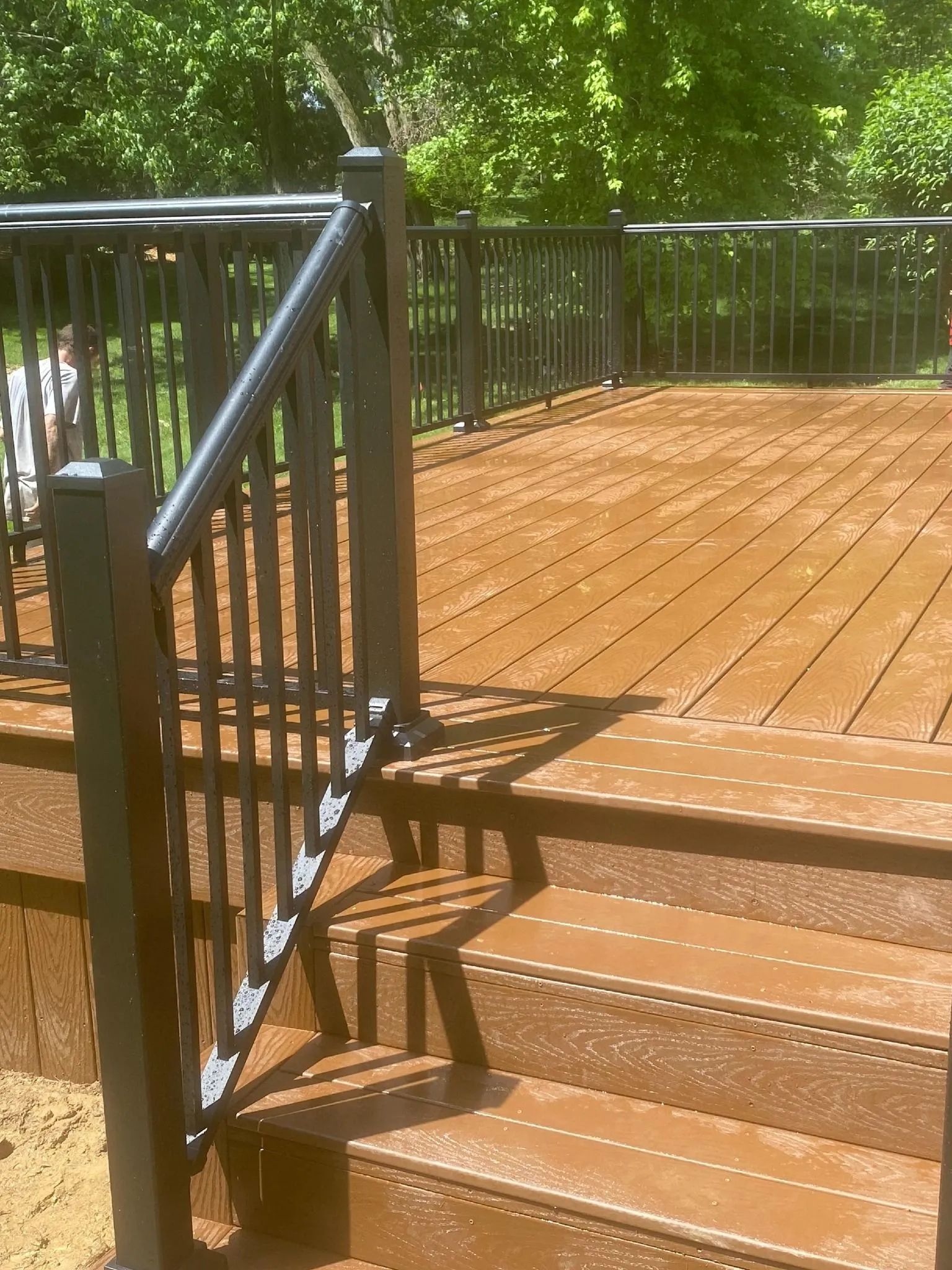
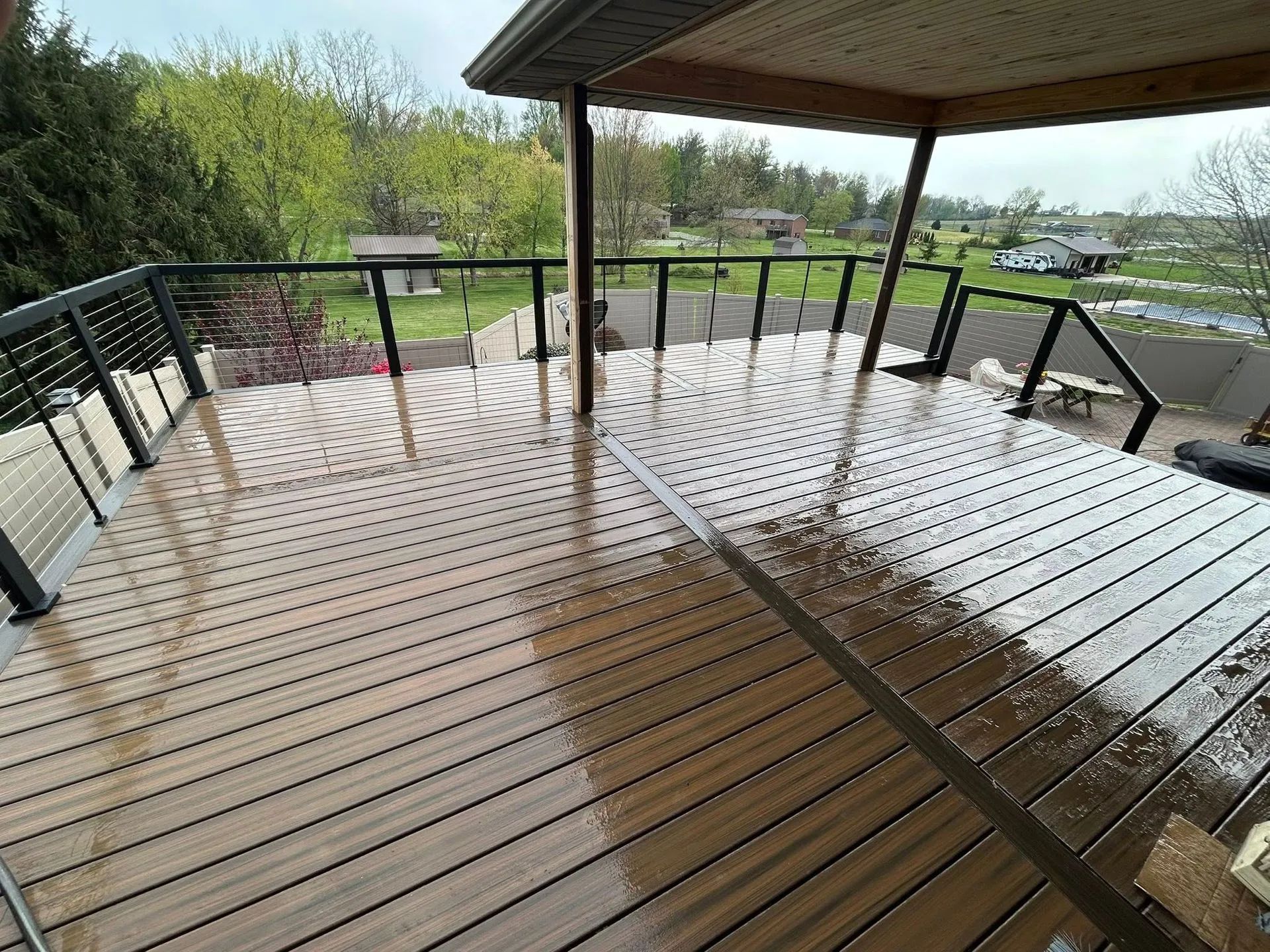
- Composite Decking: Low-maintenance, resistant to rot and warping, available in a variety of finishes and textures.
- Cedar or Redwood: Naturally resistant to decay, with rich color and aroma, though more expensive and still requiring periodic maintenance.
- PVC or Synthetic Decking: Highly durable, weather-resistant, and low-maintenance, ideal for long-term investments.
Each material has unique advantages and trade-offs. Homeowners must consider factors such as local climate, exposure to sunlight, and expected foot traffic when choosing the ideal deck material.
Design Considerations
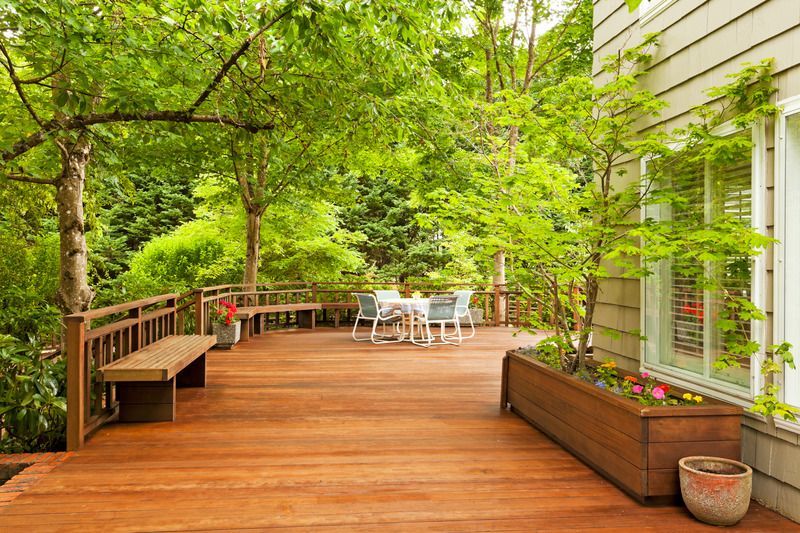
Deck design should align with your backyard’s layout and intended use. Popular design options include multi-level decks, L-shaped decks that wrap around corners of the house, and floating decks for slightly uneven terrain. Incorporating built-in benches, planters, or pergolas can enhance both aesthetics and functionality. Attention to safety features—like railings, steps, and lighting—is also essential to prevent accidents and create a welcoming environment.
Integration with Landscaping
A deck should complement your existing landscaping and natural features. Incorporate pathways, garden beds, and patios to create a seamless transition between structures and greenery. Strategic placement of the deck can maximize sunlight for outdoor activities while providing shaded areas for relaxation. Connecting the deck with outdoor elements, such as fire pits or water features, elevates the backyard’s overall ambiance.
Choosing the Perfect Fence
Purpose and Functionality
Fences serve multiple purposes: privacy, security, boundary definition, and aesthetic enhancement. Clarifying the primary function of your fence guides your choice of height, material, and style. For example, a privacy fence may require solid panels that block views from neighbors, while a decorative fence may focus more on visual appeal than complete seclusion. Security-oriented fences might include reinforced materials and locking gates.
Material Options
Fences come in various materials, each offering distinct benefits:
- Wood: Classic, customizable, and visually appealing, though prone to weathering and insect damage without proper maintenance.
- Vinyl: Durable, low-maintenance, resistant to rot and fading, with long-term value.
- Aluminum or Steel: Strong and secure, ideal for modern or security-focused designs, resistant to corrosion.
- Composite or Synthetic: Combines the aesthetic of wood with the durability of synthetic materials, requiring minimal upkeep.
Consider your backyard’s climate, intended fence height, and maintenance willingness when selecting the best material.
Design Styles
Fence design should reflect your personal style while complementing your deck and outdoor space. Popular options include picket fences for a traditional look, horizontal slats for a contemporary feel, and lattice panels to allow light while providing partial privacy. Strategic use of color, texture, and landscaping around the fence can further enhance visual appeal.
Harmonizing Deck and Fence Layout
Spatial Planning
Coordinating deck and fence placement is essential for flow and usability. Start by mapping the backyard layout, noting entrances, slopes, and existing structures. Ensure that deck steps, pathways, and gates align naturally with the rest of the yard to create seamless movement. Avoid overcrowding the space; leave room for outdoor furniture, plants, and recreational activities.
Complementary Styles
Your deck and fence should complement each other visually and functionally. Matching materials, finishes, or colors helps create a cohesive look, while contrasting textures can add visual interest. For example, a composite deck paired with a modern horizontal vinyl fence can achieve a sleek, contemporary aesthetic, whereas a wooden deck with a classic cedar fence creates a warm, rustic atmosphere.
Practical Considerations
Integrating practical features improves usability. Gates should be easily accessible from deck entrances, while fences may incorporate built-in planters or lighting. Consider future maintenance when designing connections between deck and fence. Proper spacing and ventilation reduce the risk of water damage and prolong the life of both structures.
Installation and Professional Insights
DIY vs. Professional Installation
While some homeowners may consider a DIY approach, professional installation ensures safety, compliance with local building codes, and long-lasting results. Contractors can handle challenges such as uneven terrain, complex designs, and structural reinforcements, which might be difficult for a DIY project. Professional insight also helps avoid mistakes that could lead to costly repairs.
Safety and Code Compliance
Local building codes dictate requirements for deck construction, fence height, railing strength, and spacing. Hiring professionals ensures compliance with these regulations, reducing liability and guaranteeing that your structures are safe and durable. Features like non-slip decking, properly secured railings, and reinforced posts are essential for family safety and peace of mind.
Maintenance Tips
Long-term care enhances both functionality and appearance. For decks, periodic sealing or staining prevents wood decay, while composite materials benefit from regular cleaning to avoid mold buildup. Fences should be inspected annually for loose panels, damage, or rust. Preventive maintenance, such as trimming nearby vegetation and clearing debris, extends the lifespan of your backyard structures and maintains their visual appeal.
Enhancing Outdoor Living Experiences
Functional Enhancements
Adding functional features to your deck and fence can transform your backyard into a multi-use space. Built-in seating, outdoor kitchens, pergolas, and shade structures increase usability for entertaining and relaxation. Fences can incorporate storage solutions or support vertical gardens to maximize space efficiently.
Aesthetic Improvements
Landscaping, lighting, and decor elevate the overall ambiance. Incorporate flower beds, shrubs, or climbing plants along fences for natural beauty. Solar-powered lights along the deck or fence highlight key areas and provide safety during evening activities. Choosing color schemes that harmonize with your home’s exterior enhances curb appeal.
Long-Term Value
Investing in a well-planned deck and fence improves property value and lifestyle quality. Potential buyers often prioritize outdoor living spaces that are safe, attractive, and functional. High-quality materials, professional installation, and strategic design choices contribute to long-term benefits for both personal enjoyment and resale value.
Professional Solutions For Stunning Backyard Makeover Results
Planning a backyard makeover with a new deck and fence requires thoughtful decision-making, strategic design, and practical implementation. By clearly defining goals, evaluating existing conditions, selecting durable materials, and integrating functional designs, homeowners can create outdoor spaces that are both beautiful and long-lasting. Harmonizing the deck and fence layout, considering aesthetics and practicality, and adhering to safety standards ensures that the transformation not only enhances everyday living but also increases property value.
Castle Top Classic Outdoor Living, located in Evansville, Indiana, brings 24
years of expertise to backyard transformations. Our team understands how to combine professional craftsmanship with personalized solutions to meet your unique vision. From material selection and custom designs to precise installation and maintenance guidance, we provide comprehensive support throughout the entire project. With a focus on quality, durability, and aesthetic appeal, Castle Top Classic Outdoor Living
has become a trusted partner for homeowners seeking exceptional outdoor living experiences. Rely on our decades of experience to create a backyard that reflects your lifestyle and stands the test of time.