The Ultimate Guide to Designing Functional Deck Stairs and Railings
When it comes to building a deck that’s as safe as it is stunning, stairs and railings play a crucial role. These often-overlooked elements aren’t just functional—they also impact the overall look and usability of your outdoor space. Whether you're adding a small entry step or a grand staircase, thoughtful design ensures durability, comfort, and curb appeal. From selecting the right materials to adhering to local codes, crafting well-designed stairs and railings is crucial to a successful deck project. Let’s explore how to design deck stairs and railings that blend safety, style, and functionality.
Step-by-Step: Designing Deck Stairs That Work
1. Prioritize Safety and Compliance
Deck stairs must adhere to specific building codes that dictate riser height, tread depth, and handrail requirements. Typically, risers range from 7" to 8", and treads should be a minimum of 10" deep. Uniformity is crucial to prevent trips and falls. Local code compliance ensures your structure is safe and legal, so always check with your municipality or work with a licensed professional.
2. Select Durable, Weather-Resistant Materials
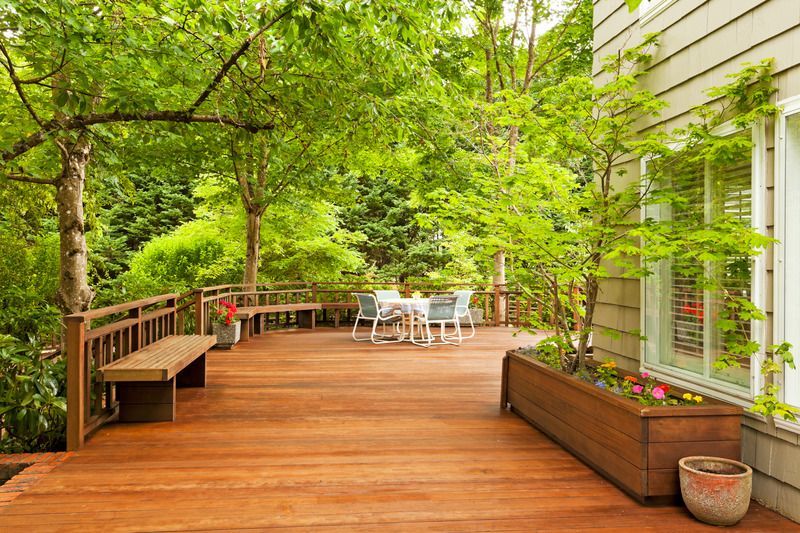
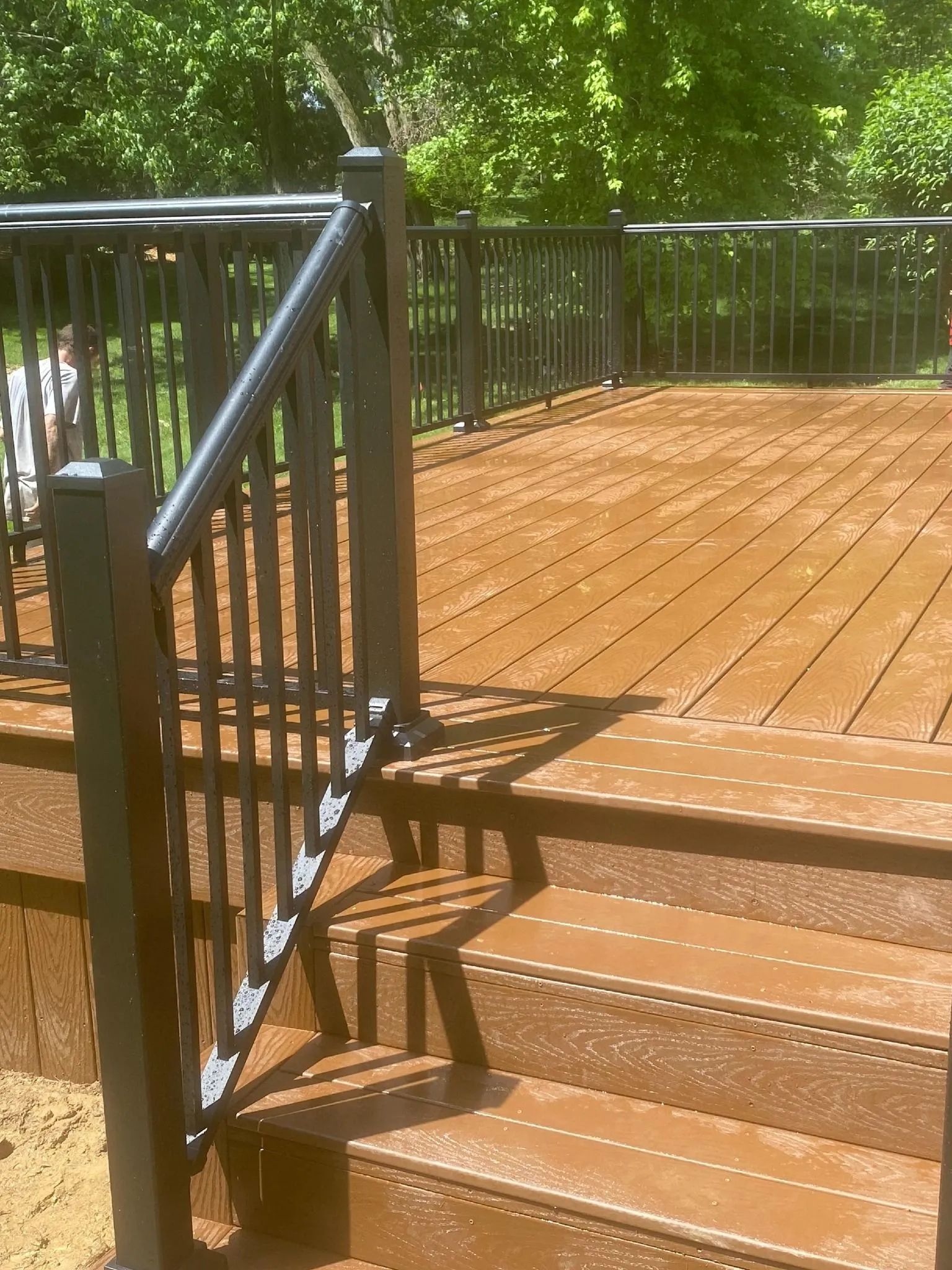
Select materials that can withstand the elements and complement your deck's aesthetic. Pressure-treated lumber is a cost-effective and widely used material, while composite materials offer longevity and low maintenance. If you're going for elegance, consider metal stringers or natural hardwoods sealed for outdoor use. Pairing materials can also elevate your design—for instance, wood stairs with wrought iron railings.
3. Create Comfortable and Accessible Design
Deck stairs should be easy to walk on and navigate. Consider the number of steps and whether landings are needed. Wide steps with gentle slopes make movement easier, especially for children, pets, or elderly guests. Incorporate lighting to improve nighttime visibility and create a welcoming ambiance.
Railing Systems: Balance Style with Safety
1. Know the Basics of Railing Requirements
Railings are required for decks that are more than 30 inches above ground. The height typically must be at least 36 inches, with balusters spaced no more than 4 inches apart. These rules are meant to prevent falls, especially for small children.
2. Mix and Match Materials for Visual Appeal
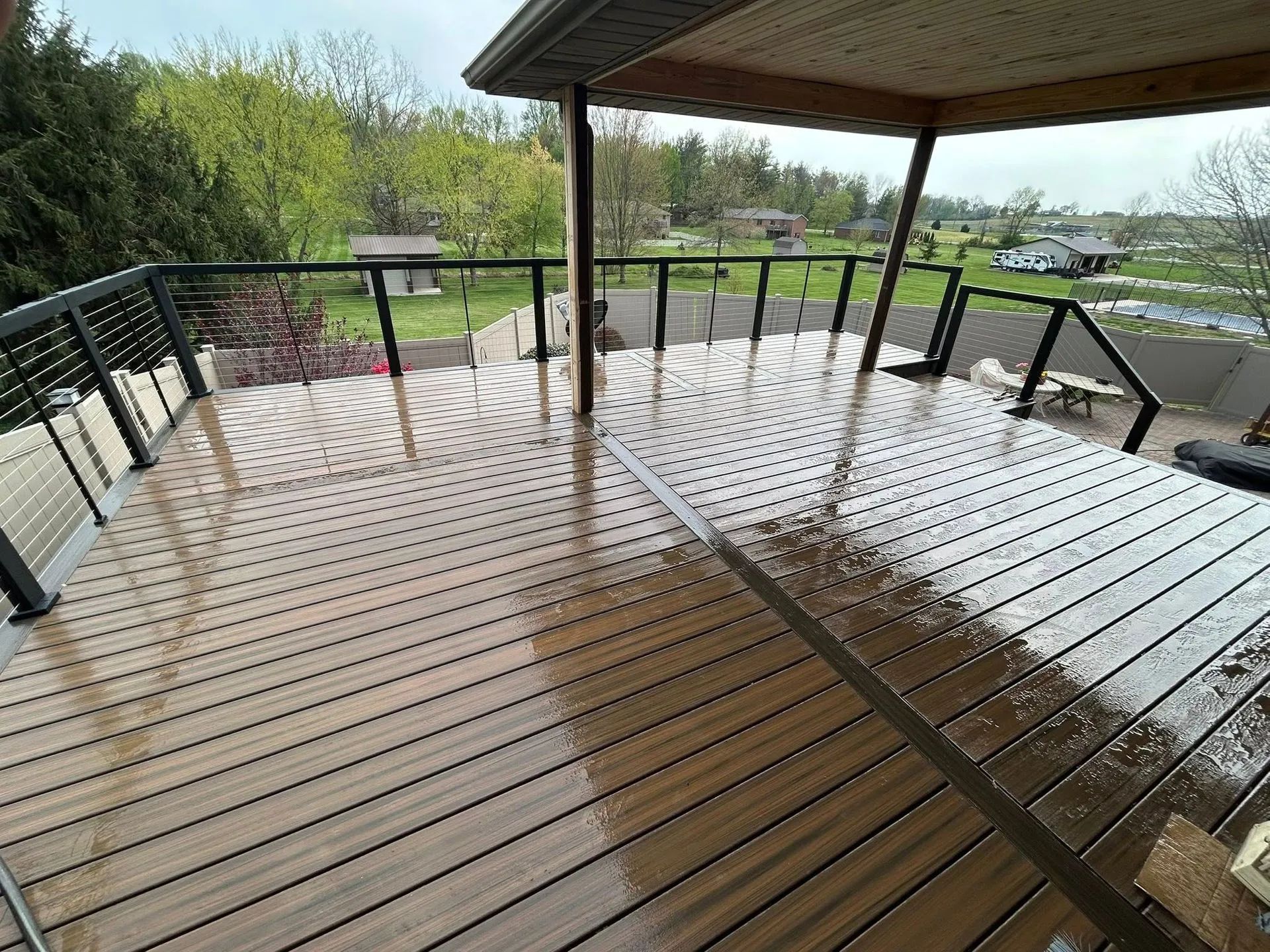
Like stairs, railing systems are available in a wide array of materials, including wood, composite, aluminum, glass, and cable. Each offers a different aesthetic: glass provides a modern, unobstructed view; cable railings offer a sleek, minimalist look; and classic wood railings give a timeless charm. Don’t be afraid to combine materials to achieve both style and durability.
3. Enhance with Custom Features
From decorative post caps to integrated LED lighting, custom details add personality and function. Curved railings, built-in planters, and contrasting finishes can turn your railing into a standout feature. These touches increase your home’s value while ensuring the safety of everyone who uses your deck.
Trust the Experts to Bring Your Vision to Life
Designing deck stairs and railings is about more than just function—it’s about creating a space that’s beautiful, safe, and built to last. At Castle Top Classic Outdoor Living, we bring over 24 years of experience to every deck we design and build. Based in Evansville, Indiana, our team specializes in crafting customized outdoor living spaces that enhance both style and usability. When you’re ready to take your deck to the next level, trust us to deliver craftsmanship you can count on.